Bhuwa Parba celebrated across Sudurpaschim, highlighting region’s martial heritage

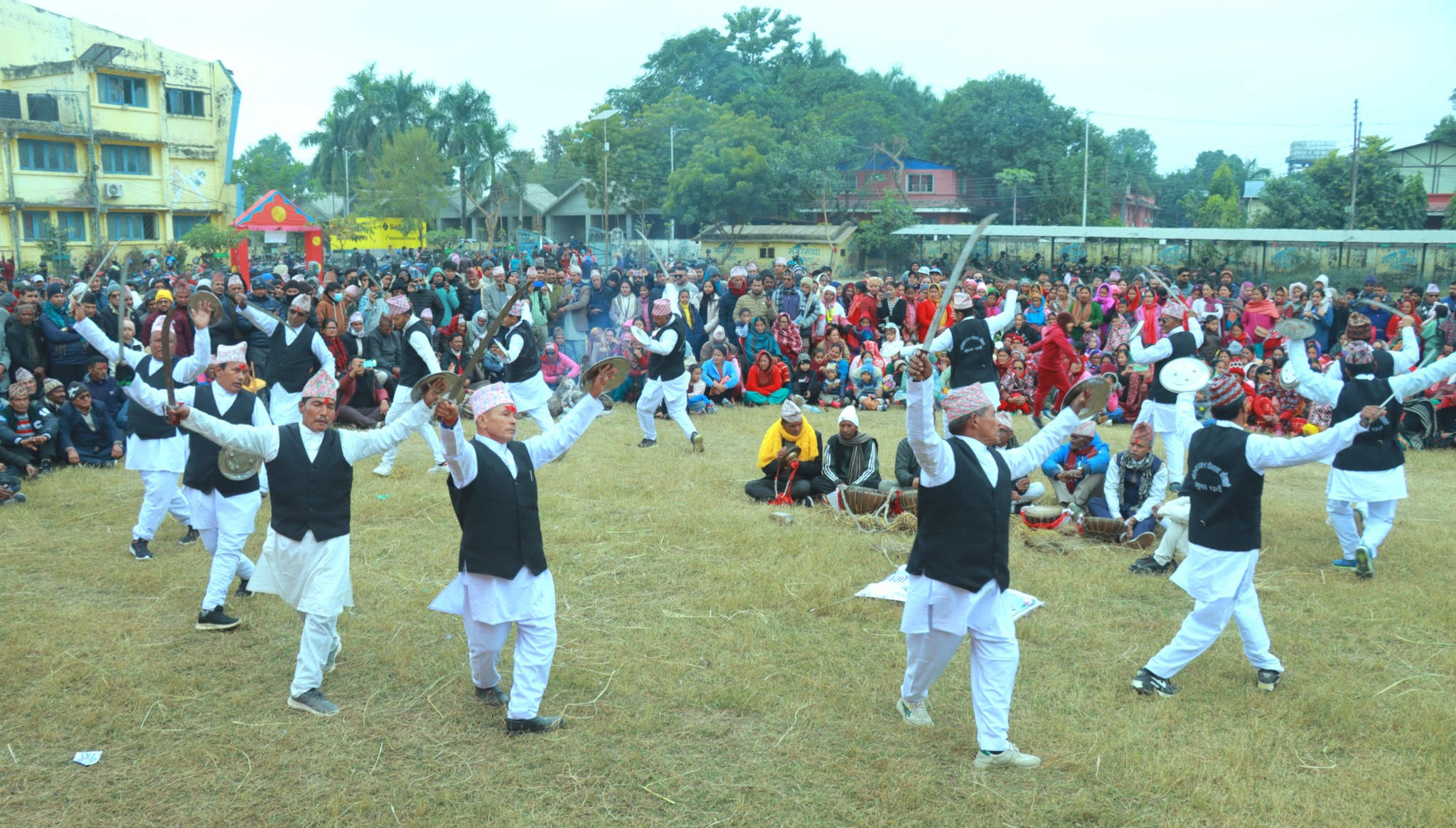
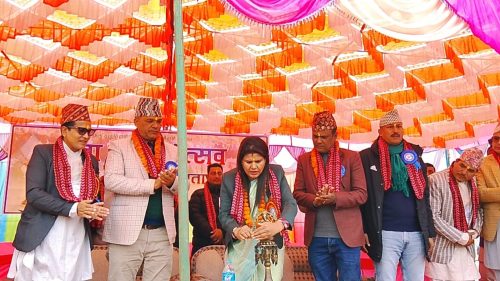
KHEM RAJ UPADHYAY, DECEMBER 21 Bhuwa Parba, an indigenous and historic cultural festival of Sudurpaschim Province, is being observed across the region with traditional fervour, cultural performances and ritual enactments that reflect the province’s rich heritage.
The festival, which is celebrated with special significance in Bajura, Bajhang and Achham, has also gained increasing visibility in the Terai districts of Kailali and Kanchanpur in recent years. To mark the occasion, the Sudurpaschim Province Government has declared a public holiday on December 19, closing government offices and public institutions across the province.
Rooted in religious belief and oral tradition, Bhuwa Parba is associated with the Mahabharata epic, particularly the victory of the Pandavas over the Kauravas during the Dwapara Yuga. The festival is observed as a celebration of bravery, victory and communal unity.
According to Dil Bahadur Budha, former ward chairperson of Shuklaphanta Municipality–11, the traditional Bhuwa dance performed during the festival symbolises courage and martial strength. He noted that migration from the hill districts to the Terai has contributed to the growing vibrancy of the festival in urban centres.
“Bhuwa Parba is not merely entertainment; it is a symbolic enactment of historic battles passed down through generations,” Budha said. “It has also played an important role in strengthening cultural unity between the hills and the Terai.”
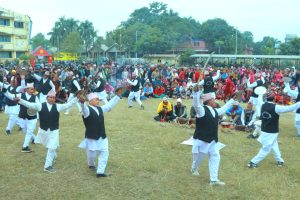
During the festiva
 l, men dressed in traditional white attire with turbans perform the Bhuwa dance while carrying swords and shields, moving in circular formations to reenact battle scenes and demonstrate collective martial skills. The performances are accompanied by traditional songs and rhythms.
Alongside Bhuwa dance, Deuda dance and singing programmes are also organised in towns and cities, including Dhangadhi and Mahendranagar, showcasing the distinct cultural identity of Sudurpaschim’s hill communities.
Traditionally, Bhuwa Parba begins a day before Poush Krishna Aunsi (new moon day of the month of Poush) and is celebrated for three to five days, with communities gathering in public spaces to observe rituals, performances and cultural exchanges.
ट्रेन्डिङ



ताजा समाचार


सम्बन्धित